
The Power of Mindfulness in Early Childhood: Cultivating Inner Peace from the Start
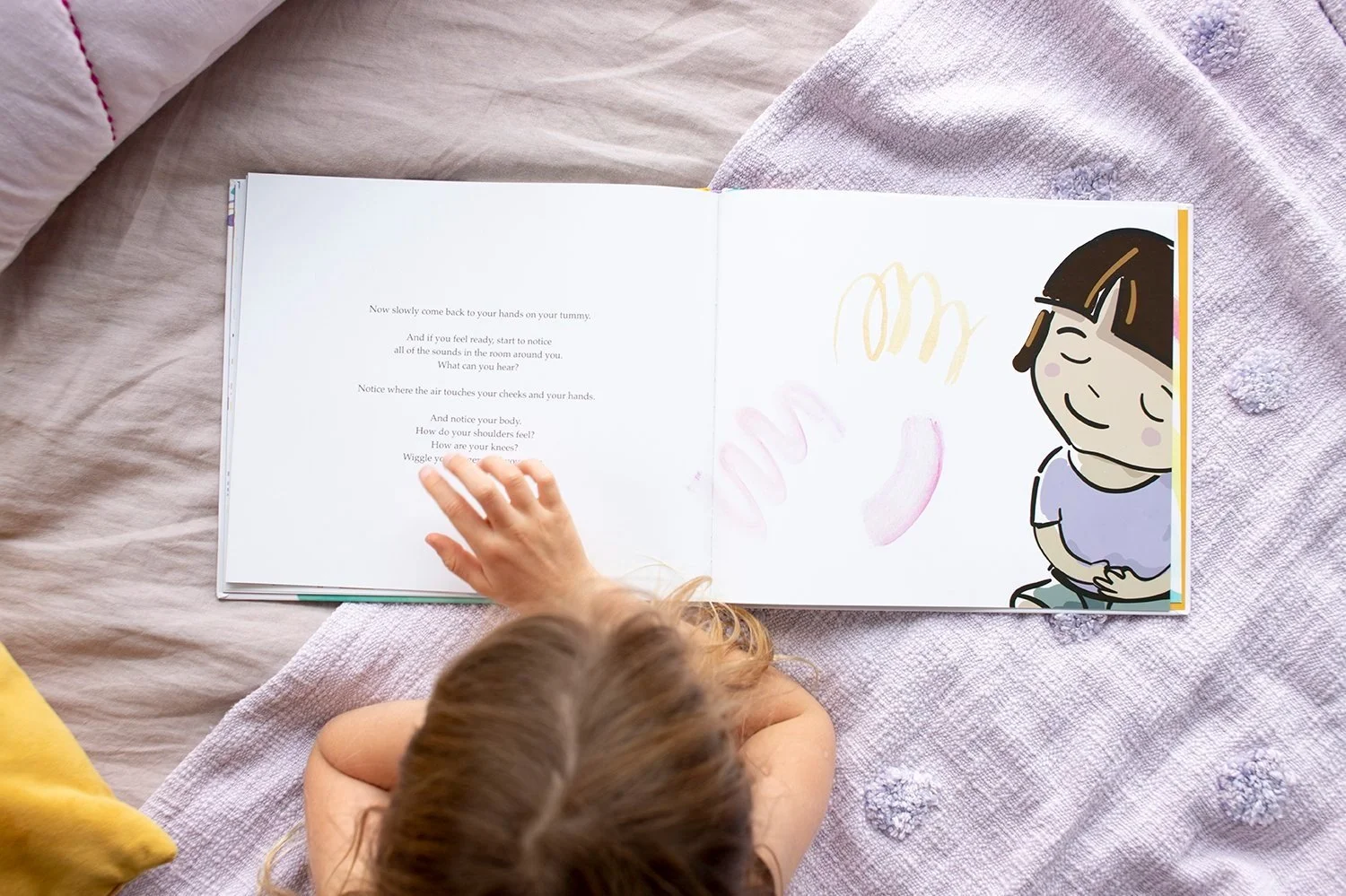
Supporting the development and understanding of Mindfulness for children in their early years is a gift that will serve them throughout life. It empowers children to navigate challenges gracefully, find inner peace amidst chaos, and build emotional resilience. As the Dalai Lama once said, "If every 8-year-old in the world is taught meditation, we will eliminate violence from the world within one generation ."
Mindfulness, the practice of being fully present in the moment offers many benefits for young minds. It promotes emotional well-being, builds resilience, and equips children with essential tools to cope with life's challenges.
1. The Power of Early Mindfulness
"Mindfulness gives us a way to be present for ourselves and our children." - Daniel J. Siegel
Research has shown that early childhood is a critical period for brain development and the formation of emotional patterns. Supporting and developing an understanding of mindfulness in these early stages of development can help young children develop greater self-awareness and support emotional regulation skills. As Daniel J. Siegel, clinical professor of psychiatry, discusses, "Mindfulness gives us a way to be present for ourselves and our children."
By learning to acknowledge and manage emotions, young children can cultivate a sense of inner peace and happiness. "When we teach our children these techniques what we are really teaching them is how to manage their emotions.
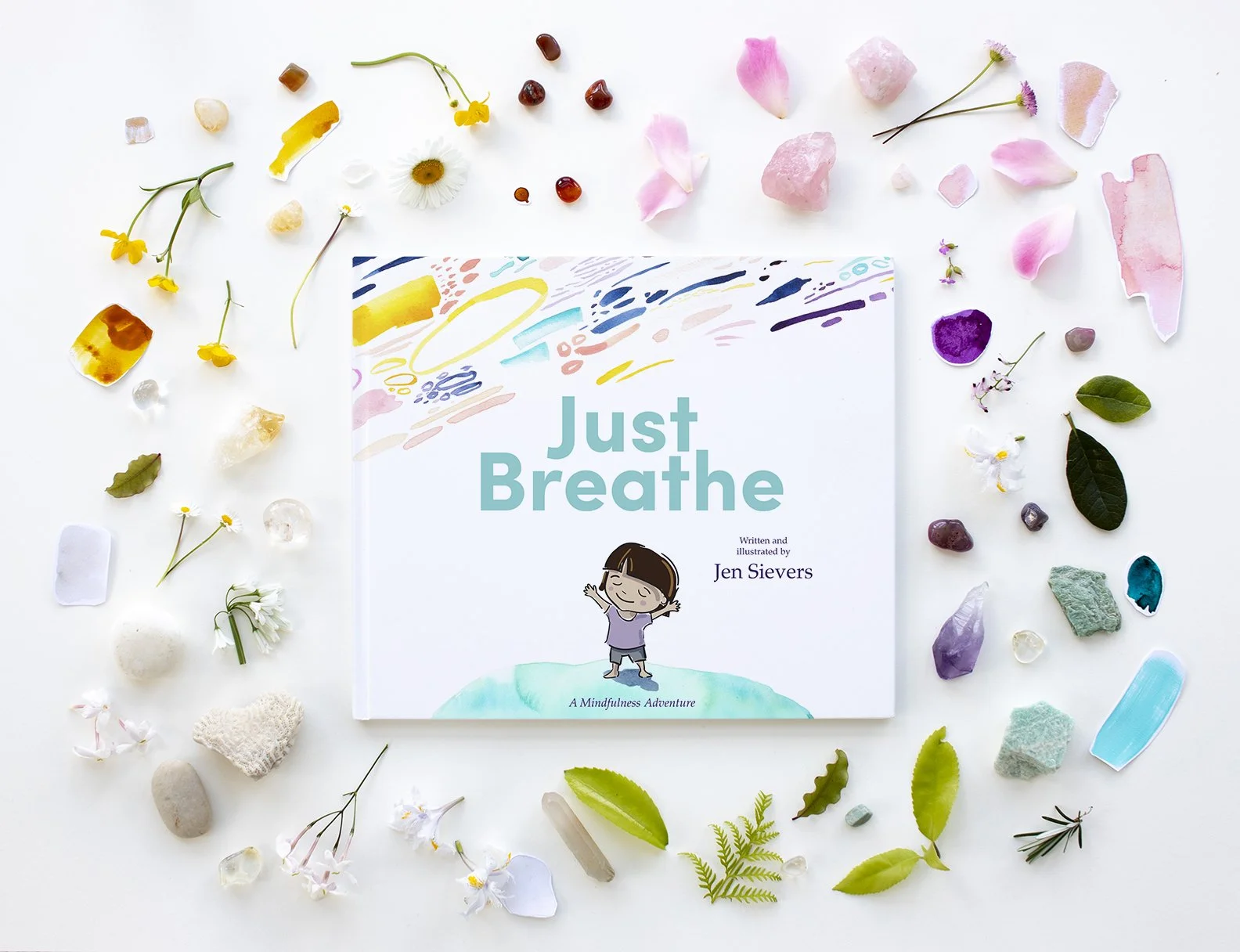
2. Introducing "Just Breathe" - A Gateway to Mindfulness
"Just Breathe" is a captivating picture book tailored for children aged around 3 to 8 years old. It takes children and parents on a journey, weaving a heartwarming story around a simple and engaging mindfulness exercise. The book introduces young readers to the power of breath as a tool for managing difficult emotions. As Sharon Salzberg, a prominent figure in the mindfulness world, says, "Mindfulness is like coming home to ourselves. The breath is our anchor."
The enchanting narrative and vivid illustrations in "Just Breathe" make Mindfulness accessible and enjoyable. Parents and educators can use this book as a gateway to initiate conversations with children about their emotions and the importance of taking a moment to breathe.
To nurture some of these non-cognitive skills, even later in life for an adult who may not have had the kind of childhood that provided for this, we could focus more on the soft skills that would maintain to contribute significantly to various success outcomes—i.e., openness to experience, conscientiousness, extraversion, agreeableness, and neuroticism/emotional stability. But, again, universal investment in these qualities in the early years of childhood will make a difference.
3. Promoting Mindfulness at Home
Incorporating mindfulness practices into daily routines at home can have a profound impact on children's well-being. As Jon Kabat-Zinn, the creator of the Mindfulness-Based Stress Reduction program, suggests, "The best way to capture moments is to pay attention. This is how we cultivate Mindfulness."
Mindful Breathing: Teach your child the mindfulness exercise depicted in "Just Breathe." Encourage them to take a deep breath when they encounter challenging emotions or situations. As Thich Nhat Hanh emphasizes, "Feelings come and go like clouds in a windy sky. Conscious breathing is my anchor."
Mindful Activities: Engage in mindful activities together, such as colouring, gardening, or even a short nature walk. Encourage your child to observe their surroundings, pay attention to their senses, and savour the present moment.
Gratitude Practice: "The roots of all goodness lie in the soil of appreciation for goodness." - Dalai Lama. Encourage your child to express gratitude for the things they have, no matter how small. This practice fosters positivity and appreciation for life's blessings.
Limit Screen Time: Minimize screen time and encourage more face-to-face interactions and playtime. Mindfulness thrives in the absence of constant distractions.
Lead by Example: Be a mindful role model for your child. Demonstrate Mindfulness in your daily life, and they will likely follow suit.
References:
Siegel, D. J. (2007). The Mindful Brain: Reflection and Attunement in the Cultivation of Well-Being.
Kabat-Zinn, J. (2005). Coming to Our Senses: Healing Ourselves and the World through Mindfulness.
Salzberg, S. (2017). Real Love: The Art of Mindful Connection.
Hanh, T. N. (1998). The Heart of the Buddha's Teaching: Transforming Suffering into Peace, Joy, and Liberation.
Dalai Lama (1996). The Art of Happiness: A Handbook for Living.